Epistolary novels - a complete guide with examples
If you don’t know what an ‘epistolary novel’ means, you’re not the only one. It’s really just a way of describing a story told through documents such as letters, newspapers or diaries instead of a conventional narrative told by a narrator in the first or third person. A lot of readers love epistolary novels as it presents a new form of telling a story. We’ve written this guide so you can learn everything you need to know about this unique art form.
What is the most famous example of an epistolary novel?
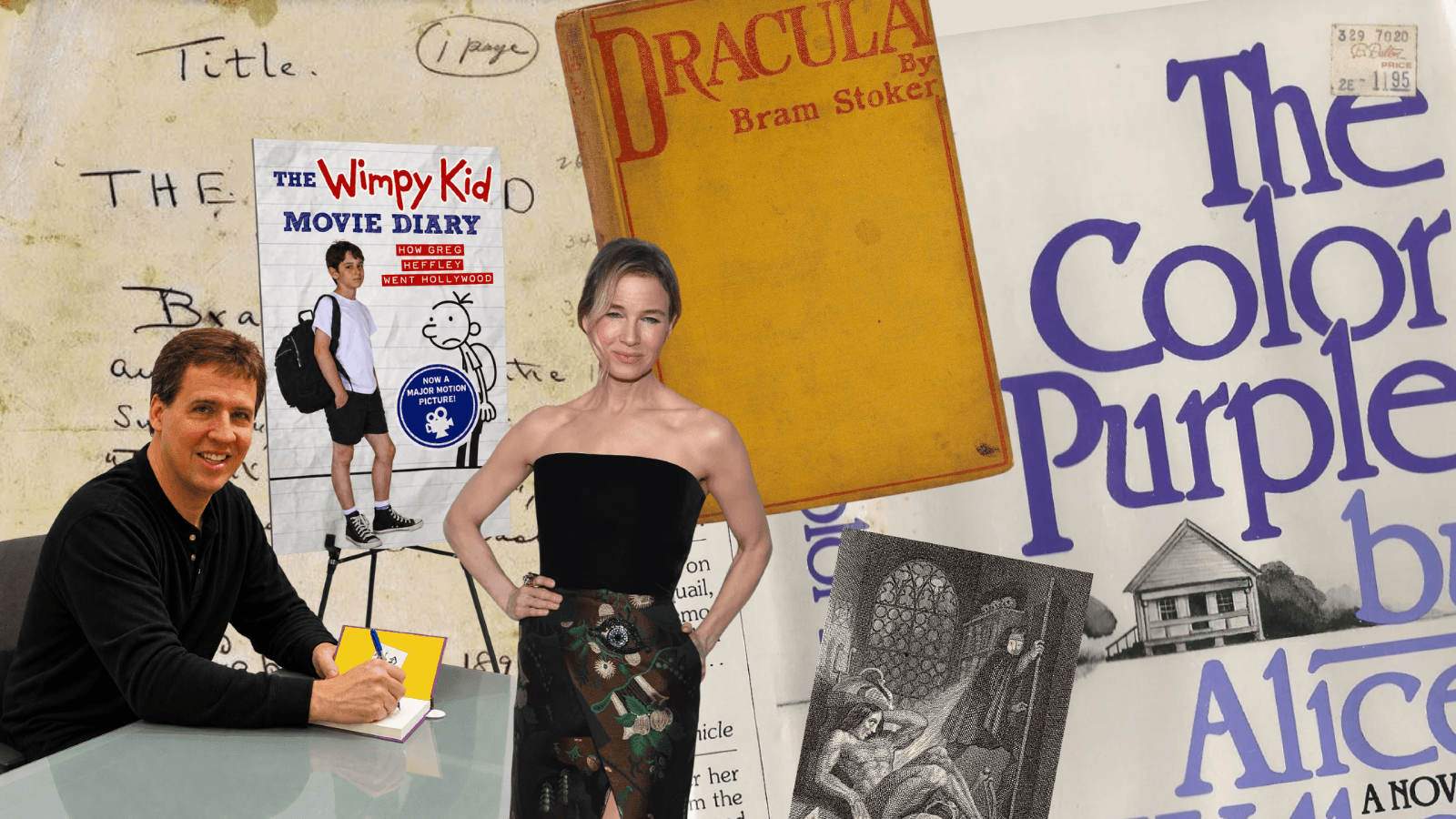
The most famous epistolary novel is probably Dracula by Irish author Bram Stoker in 1897. Stoker tells the tale of a vampire attacking people by biting their necks and drinking their blood. Instead of describing the scene in a normal novel, the author delivers the plot through unconventional means such as newspaper articles and letters.
Which is the first epistolary novel in English?
The first example of an epistolary novel in English is widely agreed to be Pamela; or, Virtue Rewarded which was written in 1740 by British author Samuel Richardson.
The novel describes a woman’s attempts to resist the seduction by her employer. The protagonist writes letters to her suitor and her family, who live in poverty. She also writes in her diary. These techniques are what makes it an epistolary story.
What are some other examples of epistolary novels in English literature?
Mary Shelley’s Frankenstein is another good example of an epistolary story. One of the most popular books written in the 19th century, Frankenstein begins and ends with correspondence between Robert Walton and his sister Margaret Saville. Shelley came up with the story after Lord Byron challenged her, John Polidori and Percy Bysshe Shelley, to write a ghost story.
What are some more modern examples of epistolary novels?
In the 1980s Sue Townsend received critical acclaim for her Adrian Mole novels for children. These stories involve a socially awkward young boy, Adrian Mole, describing his life growing up in England during the Thatcher years. Subsequent Adrian Mole books cover his journey into adulthood but keep the diary format, which allows the reader to see all the funny thoughts a young teenager and adult can have about themselves and the world.
Another British epistolary novel success story is the Bridget Jones’s Diary series of books. These novels depict the chaotic dating life of a single woman in her 30s living in 1990s London. The story is told through Bridget’s diary as she writes about the struggles of modern dating. Since publication these books have been adapted into critically acclaimed films starring Renée Zellweger as the protagonist.
The Appeal, written in 2021 by Janice Hallett, introduced new elements to the epistolary tradition such as Whatsapp messages and emails as well as more traditional forms like letters. This freshened up the format for modern readers and critics praised Hallett for bringing in these elements.
How to write an epistolary novel today
Fictra takes the epistolary tradition further: instead of one writer, many writers contribute documents - witness statements, texts, emails - to the same shared fictional world, each adding a new piece to an unfolding mystery no single writer controls entirely.
Every document on Fictra is written by a real person - no AI, ever.
Want to try writing one?